Updated: March 23, 2026 · 25 min read
What is Labor Law §200?
Quick Answer: Labor Law §200 is a New York law that requires property owners and contractors to keep job sites reasonably safe. If a worker is hurt because of a dangerous condition or unsafe way the work was done, they may have the right to file a claim.Key Provisions of Labor Law §200 in New York City
Labor Law §200 is a critical piece of legislation in New York designed to ensure the safety and well-being of workers by mandating safe working conditions. This law is particularly relevant in a bustling metropolis like New York City, where construction and maintenance work is abundant. Understanding its key provisions can help workers recognize their rights and employers understand their obligations. General Duty to Protect Workers: At its core, Labor Law §200 establishes a general duty for employers and property owners to provide a safe work environment. This means that any place where work is performed must be free from hazards that could cause injury. This duty is akin to common law negligence, where employers are expected to exercise reasonable care to ensure safety. Application to All Workplaces: Unlike some other labor laws that apply specifically to construction sites or specific industries, Labor Law § 200 imposes a general duty on owners and employers to furnish “reasonable and adequate protection” in all places to which the Labor Law applies throughout New York State—not only within New York City. This includes construction sites, office buildings, retail spaces, and more. The law is designed to cover any location where an employee might be at risk due to unsafe conditions.- Safe Equipment and Tools : Employers must ensure that all equipment and tools used in the workplace are safe and properly maintained. This includes regular inspections and maintenance to prevent malfunctions that could lead to injury.
- Hazardous Conditions : If a hazardous condition exists, such as a wet floor or exposed wiring, it must be addressed promptly. Employers are required to either repair the condition or adequately warn employees until it is resolved.
- Supervision and Training : Adequate supervision and proper training are essential components of maintaining workplace safety. Employers must provide necessary training to employees to handle equipment safely and recognize potential hazards.
Who is Protected Under Labor Law §200?
Labor Law §200 is a crucial piece of legislation in New York that aims to protect workers by ensuring that their work environments are safe and healthy. This law is primarily concerned with the general duty of employers to provide safe working conditions. But who exactly is protected under Labor Law §200?- Workers in Various Industries - Labor Law §200 broadly applies to employees in various industries throughout New York City. While it is commonly associated with construction workers, this law also extends protections to workers in other sectors, including manufacturing, transportation, and service industries. Essentially, any employee who might be exposed to unsafe work conditions due to the employer's negligence can be protected under this law.
- Construction Workers - In New York City, construction workers are often at the forefront of Labor Law §200 cases. Due to the inherently dangerous nature of construction sites, this law plays a vital role in ensuring that safety protocols are followed. Construction workers who encounter unsafe conditions such as faulty scaffolding, inadequate safety gear, or hazardous materials may have recourse under this law if their employer fails to maintain a safe work environment.
- Undocumented Workers - Undocumented workers generally have standing to bring § 200 claims and may recover damages, including lost wages, under New York law. This means that undocumented workers who suffer injuries due to unsafe working conditions have the same rights to seek compensation as any other employee.
- Subcontractors and Independent Contractors - While traditional employees are clearly protected, the situation for subcontractors and independent contractors can be more complex. Depending on the specifics of the work arrangement and the level of control the primary contractor or property owner has over the work environment, these workers might also be covered under Labor Law §200. If a contractor or property owner has control over the worksite and fails to ensure its safety, they may be held responsible for any resulting injuries.
- General Criteria for Protection -
- Control Over the Work Environment: The employer or property owner must have control over the work environment to be held liable under Labor Law §200.
- Unsafe Conditions: The injury must result from an unsafe condition that the employer knew or should have known about.
- Negligence: There must be a failure to provide reasonable protection or safety measures to prevent the unsafe condition.
Common Workplace Hazards Addressed by Labor Law §200
Labor Law §200 in New York is designed to protect workers from hazardous working conditions by ensuring that employers provide a safe workplace. Understanding the common workplace hazards addressed by this law is crucial for both employees and employers. Below, we delve into some of the typical hazards that Labor Law §200 aims to mitigate, particularly in the bustling and diverse work environments of New York City.- Unsafe Equipment and Machinery: One of the primary concerns in many industries, particularly construction, is the use of faulty or poorly maintained equipment and machinery. Labor Law §200 mandates that all machinery and equipment must be properly maintained and safe to use. This includes ensuring that safety guards are in place and that regular inspections are conducted to prevent malfunctions that could lead to injuries.
- Falling Hazards: Falls are a leading cause of workplace injuries, especially in construction. § 200 imposes a broad duty of reasonable care; specific fall‑prevention measures for scaffolds and ladders are governed primarily by Labor Law § 240 and 12 NYCRR Part 23. Employers may still face § 200 liability when an unsafe condition or method of work causes injury.
- Exposure to Harmful Substances: Workers may be exposed to hazardous chemicals or materials that can cause serious health issues. The law requires that employers provide proper ventilation, protective equipment, and training on handling such substances safely.
- Electrical Hazards: Another significant risk in many workplaces is electrical hazards, which can lead to shocks, burns, or even fatalities. Labor Law §200 ensures that electrical systems are safely installed and maintained, and that workers are trained to recognize and avoid potential electrical dangers.
- Falling Objects: In environments like construction sites, where tools and materials are frequently moved above ground level, falling objects can pose serious risks. The law requires securing objects and using nets or other protective measures to prevent injuries from falling debris.
- Slips, Trips, and Falls: Slippery or cluttered workspaces can lead to slips, trips, and falls. Labor Law §200 obligates employers to keep work areas clean and free from hazards that could cause such accidents.
Employer Responsibilities Under Labor Law §200
Under New York's Labor Law §200, employers have a fundamental responsibility to ensure that their workplaces are safe for employees. This law, part of the broader framework of New York labor laws, is intended to protect workers from unsafe working conditions by placing specific duties on employers. Here are the key responsibilities that employers must adhere to under Labor Law §200:- Maintain a Safe Work Environment: Employers are required to provide a work environment that is free from hazards that could cause injury or harm. This means regularly inspecting work sites, identifying potential safety issues, and taking corrective action to mitigate risks.
- Implement Safety Measures: Employers must ensure that all safety measures and protocols are in place and actively enforced. This includes providing appropriate safety gear, such as helmets, gloves, and harnesses, especially in industries like construction where the risk of injury is higher.
- Provide Adequate Training: Employers are responsible for ensuring that all employees receive the necessary training to perform their jobs safely. This includes training on how to use equipment properly and how to respond in case of an emergency.
- Comply with Safety Regulations: Employers must comply with all relevant safety regulations and standards set by federal, state, and local agencies. In New York City, this includes adhering to specific safety codes and regulations designed to protect workers on construction sites and in other high-risk environments.
- Correct Unsafe Conditions: If an unsafe condition is identified, employers are obligated to address and correct the issue promptly. This could involve repairing faulty equipment, improving ventilation, or enhancing lighting in dimly lit areas.
- Monitor and Supervise Work Activities: Employers should actively monitor work activities to ensure compliance with safety protocols. This includes supervising potentially hazardous tasks to ensure they are carried out safely and effectively.
- Documentation and Reporting: Employers are also responsible for documenting any incidents or injuries that occur on the job and reporting them in accordance with legal requirements. This helps in identifying patterns or recurring issues that need to be addressed.
How Labor Law §200 Differs from Other New York Labor Laws
Labor Law §200 is often considered the foundational statute for workplace safety in New York State. It is part of a trio of labor laws, including Labor Law §240 (commonly known as the "Scaffold Law") and Labor Law §241, that aim to protect workers from unsafe work conditions. Understanding how Labor Law §200 differs from these other laws is crucial for anyone involved in workplace safety or personal injury claims in New York City. 1. General Duty of Care vs. Specific Protections- Labor Law §200 imposes a general duty of care on employers and property owners to provide a safe working environment. This means they must take reasonable measures to ensure the workplace is free from hazards that could cause harm to workers.
- Labor Law §240 , on the other hand, specifically addresses the risks associated with elevation-related work, such as scaffolding and ladders. It provides more specific protections for workers engaged in construction, demolition, and repair work at heights.
- Labor Law §241 focuses on specific safety standards for construction, excavation, and demolition work. It outlines particular safety practices and equipment that must be used to protect workers from specific hazards.
- Labor Law §200 applies broadly to all types of workplaces, not just construction sites. Whether you work in an office, a factory, or a retail store, the obligations under this law are applicable.
- Labor Law §240 and §241 are more narrowly focused on construction-related activities. They are not applicable to general workplace environments outside of these specific industries.
- Under Labor Law §200, liability is based on the negligence of the employer or property owner. To establish a claim, it must be shown that the party in control of the worksite knew or should have known about the unsafe condition and failed to correct it.
- Liability under Labor Law § 240(1) is “absolute” when an elevation‑related hazard causes injury. Claims under Labor Law § 241(6), however, require proof that a specific Industrial Code rule was violated, and any award may be reduced by the worker’s comparative negligence.
- Claims under Labor Law §200 often require a demonstration of negligence, which can make these cases more complex and fact-intensive.
- Labor Law § 240(1) imposes “absolute liability” when an elevation-related safety device is absent or defective, and § 241(6) imposes liability when a specific Industrial Code rule is violated. Because liability is more easily established, verdicts under these sections may be obtained without proving ordinary negligence—but every case still turns on its specific facts and damages.
Steps to Take if You Believe Your Labor Law §200 Rights Have Been Violated
If you believe your rights under New York’s Labor Law §200 have been violated, it's crucial to take prompt and appropriate steps to protect your health, safety, and legal rights. Here's a step-by-step guide on what you should do:- Seek Medical Attention: Your health and safety are the top priority. If you've been injured, see a doctor immediately, even if the injury seems minor. Document all medical visits and treatments, as these records will be vital in supporting your claim.
- Report the Incident: Notify your supervisor or employer about the incident as soon as possible. Make sure the report is in writing and keep a copy for your records. This establishes a formal record of the incident and your concerns.
- Document Everything: Keep detailed records of the incident, including the date, time, location, and how it occurred. Take photographs of the scene and any visible injuries. Gather contact information from any witnesses who can support your account of the incident.
- Understand Your Rights: Familiarize yourself with the protections offered by Labor Law §200, which mandates that employers provide a safe working environment and proper safety equipment. Understanding these provisions can help you identify violations.
- Consult with a Legal Professional: It's advisable to consult with an attorney experienced in New York labor laws to evaluate your case. An experienced attorney can guide you through the complexities of filing a claim and ensure your rights are protected.
- File a Complaint: If your employer does not address the hazardous conditions, you may need to file a complaint with the Occupational Safety and Health Administration (OSHA) or the appropriate New York state agency. An attorney can assist you in this process.
- Preserve Evidence: Keep all documents related to the incident, such as medical records, reports, and any correspondence with your employer. This evidence will be crucial if you decide to pursue legal action.
The Role of Safety Regulations in Labor Law §200
In the context of New York's Labor Law §200, safety regulations play a crucial role in ensuring that workplaces are free from hazards that could potentially harm workers. This law, often considered a codification of the common-law duty to provide a safe working environment, mandates that employers maintain premises that are safe for employees and visitors. The law applies broadly across various industries in New York City, with a significant focus on construction sites where the risk of injury is particularly high. How Safety Regulations Integrate with Labor Law §200 Labor Law §200 essentially requires adherence to established safety standards and practices. These regulations are meant to prevent accidents and injuries by ensuring that workplaces are designed, equipped, and maintained in a manner that minimizes risk. Compliance with safety regulations is not only a legal obligation but also a moral one, as it directly impacts the wellbeing of workers.- OSHA Standards: The Occupational Safety and Health Administration (OSHA) sets forth numerous safety standards that employers must follow. These include guidelines on the use of personal protective equipment (PPE), proper labeling of hazardous substances, and protocols for reporting and addressing unsafe conditions.
- Site Inspections: Regular inspections are a key component of safety regulations. Employers are expected to routinely inspect work sites to identify and rectify any potential hazards. This proactive approach is vital in preventing accidents before they occur.
- Training Programs: Proper training is essential in equipping workers with the knowledge and skills needed to perform their jobs safely. Employers must ensure that all employees receive adequate training on safety procedures relevant to their specific roles and the risks associated with their work environment.
- Emergency Preparedness: Safety regulations also cover emergency preparedness, requiring that employers have clear, actionable plans in place for responding to emergencies such as fires, chemical spills, or structural collapses. Regular drills and clear communication of emergency procedures are essential components of these plans.
How Labor Law §200 Applies to Construction Sites in NYC
Labor Law §200 is a critical piece of legislation in New York that applies broadly to construction sites throughout the city. This law serves as the foundational general duty clause, mandating that employers provide a safe working environment for all employees. Specifically, it requires that construction sites be maintained in a manner that ensures the safety of the workers and the public. In the context of construction sites in New York City, Labor Law §200 plays a vital role in safeguarding workers from common hazards associated with construction work. The law is designed to address a variety of potential dangers, from unsafe scaffolding to hazardous materials, and ensures that employers take proactive measures to mitigate these risks. Here is how Labor Law §200 specifically applies to construction sites:- Safe Work Environment: Employers must ensure that the construction site is free from hazards that could cause harm. This includes maintaining equipment, ensuring proper signage, and keeping the site clear of debris.
- Proper Training: Workers must be adequately trained to handle the equipment and tasks they are assigned. This training should cover safety protocols and emergency procedures.
- Equipment Maintenance: All machinery and tools must be regularly inspected and maintained to prevent malfunctions that could lead to accidents.
- Supervision: Adequate supervision must be provided to oversee safety practices and ensure compliance with safety regulations.
- Communication of Hazards: Employers are required to communicate any potential hazards to workers and provide necessary safety equipment, such as helmets and harnesses.
Potential Challenges in Labor Law §200 Cases
Labor Law §200, often referred to as the "common law" of workplace safety, aims to ensure that work environments are safe for employees. However, navigating a Labor Law §200 case can present several challenges. Understanding these difficulties can be crucial for individuals seeking justice and compensation for workplace injuries in New York City.- Proving Negligence: Unlike other labor laws that may impose strict liability, Labor Law §200 requires proof of negligence. This means the injured party must demonstrate that the employer or property owner failed to provide reasonable and adequate protection in the workplace. Gathering sufficient evidence to prove negligence can be complex and often requires detailed documentation and expert testimony.
- Identifying Responsible Parties: In many cases, multiple parties may be involved in the management and operation of a worksite, such as contractors, subcontractors, and property owners. Determining who is legally responsible for the unsafe condition can be challenging, particularly in large construction projects common in NYC.
- Complex Worksite Conditions: Construction sites in New York City are often bustling with activity and involve numerous trades working simultaneously. This complexity can make it difficult to pinpoint the exact cause of an accident or the specific safety lapse that led to an injury.
- Interplay with Other Labor Laws: Labor Law §200 cases often intersect with other labor laws, such as Labor Law §240 (the "Scaffold Law") and Labor Law §241. Understanding how these laws interact and which applies to a particular case requires nuanced legal knowledge.
- Gathering Evidence: Collecting evidence in a Labor Law §200 case can be daunting. It often involves obtaining maintenance records, safety inspection reports, and testimonies from witnesses or coworkers. Securing this evidence promptly is crucial, as construction sites can change rapidly, and critical evidence might be lost over time.
- Employer Defenses: Employers or property owners might argue that the injured worker was partially or wholly at fault, claiming that safety protocols were ignored. Successfully countering such defenses requires a thorough understanding of safety regulations and the specific circumstances of the incident.
How The Orlow Firm Can Assist with Labor Law §200 Claims
At The Orlow Firm, we understand the complexities and challenges involved in Labor Law §200 claims in New York City. Our experienced team is committed to helping workers who have been injured due to unsafe working conditions. Here's how we can assist you:- Legal Guidance: Our attorneys have extensive experience handling Labor Law §200 claims. We will guide you through the legal process, ensuring you understand your rights and options at every step.
- Thorough Investigation: We conduct comprehensive investigations to gather evidence that supports your claim. This includes collecting witness statements, reviewing safety protocols, and examining the work environment to determine if there were any violations of safety regulations.
- Building a Strong Case: Our team will develop a robust legal strategy tailored to your specific situation. We focus on demonstrating how the negligence of your employer or other parties led to your injuries.
- Negotiating Fair Settlements: We work to pursue all compensation permitted by law on behalf of our clients. Our attorneys are skilled negotiators who work tirelessly to achieve fair settlements without the need for prolonged litigation.
- Litigation Support: If a fair settlement cannot be reached, we are fully prepared to take your case to court. Our attorneys have a proven track record of success in litigating complex Labor Law §200 cases.
- Compassionate Support: We understand the physical, emotional, and financial impact an injury can have on you and your family. Our team is here to provide compassionate support and ensure you receive the care and compensation you deserve.
Sources & Official Resources
New York Laws Cited
- Labor Law § 200 — General Duty to Protect Health and Safety of Employees
- Labor Law § 240 — Scaffolding and Other Devices for Use of Employees (Scaffold Law)
- Labor Law § 241 — Construction, Excavation and Demolition Work
Safety & Regulatory Agencies
- OSHA — New York State Plan (Private Sector Enforcement)
- PESH — Public Employee Safety & Health Bureau (Public Sector Enforcement)
- 12 NYCRR Part 23 — Industrial Code: Protection in Construction, Demolition and Excavation Operations
Contact The Orlow Firm for a Free Consultation on Labor Law §200 Issues
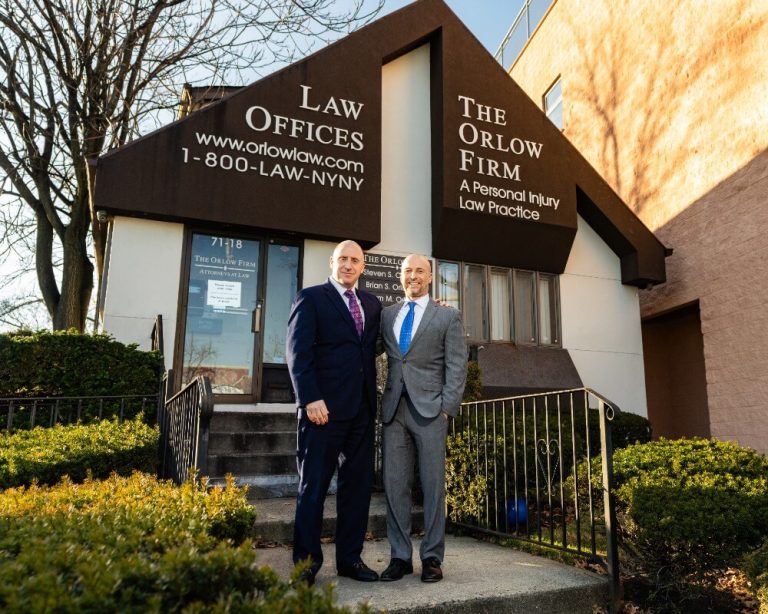
- Proven Track Record: Our firm has successfully represented numerous clients in labor law cases, securing substantial settlements and verdicts. For instance, we've achieved outcomes such as $3.375 million for a construction worker who fell from a ladder, highlighting our ability to handle complex cases. Prior results do not guarantee a similar outcome.
- Comprehensive Understanding: We have a deep understanding of Labor Law §200 and its application, particularly in the context of New York City. This local knowledge allows us to provide tailored advice that considers the specific challenges and regulations of the NYC environment.
- Client-Centered Approach: We are committed to treating every client with respect and compassion. Our goal is to ensure you feel heard and supported throughout the legal process.
- No Upfront Fees: We handle personal injury cases on a contingency basis, meaning you don't pay unless we win your case. This ensures that financial barriers do not prevent you from seeking justice.
- Assess Your Case: We will review the details of your incident to determine if a Labor Law §200 claim is viable.
- Explain Your Rights: Our attorneys will clarify your rights under Labor Law §200 and any other relevant laws that may apply to your case.
- Outline Next Steps: We'll guide you through the potential legal processes, providing a clear roadmap of what to expect if you decide to pursue a claim.
The Following People Contributed to This Page
Written byParalegal & Office ManagerB.A.Sc., Political Science & Government, John Jay College of Criminal Justice (CUNY), 22+ years at The Orlow Firm, Bilingual: English and Spanish